




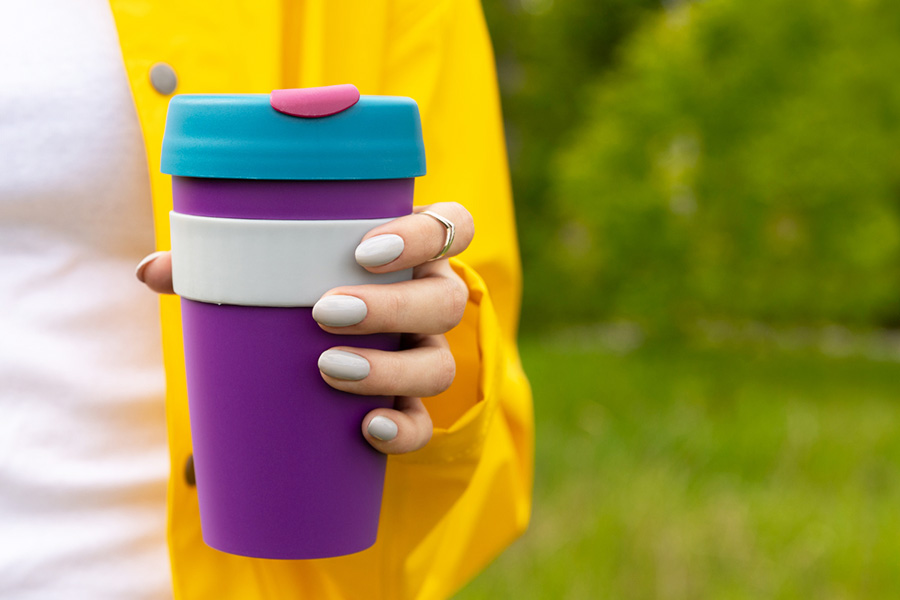
Reusable bottles and thermoses are convenient, eco-friendly, and economical. But even the most expensive model can eventually start to emit an unpleasant smell. The reasons can be different: leftover drinks, improper drying, low material quality. All of this creates a perfect environment for bacteria to multiply, which is what causes a persistent odor.
It’s important to understand: if a smell has appeared, it means the container has already absorbed something foreign, and it may be difficult to return it to its original cleanliness. That’s why it’s better to choose a bottle or thermos in advance that isn’t prone to absorption.
5 signs that a bottle or thermos won’t absorb smells
To avoid odors, it’s not enough to just wash the bottle after use. It’s much more important to choose a model made from the right material and with the right design. Here are the main signs to pay attention to:
1. Material: stainless steel is the top choice
Stainless steel (especially grade 18/8 or 304) is the best choice. It’s non-porous, doesn’t absorb smells, and doesn’t react with beverages. These bottles can be used for water, coffee, tea, juice — and they won’t retain the aroma of the previous contents.
Plastic is the worst option, especially if it’s not food-grade or lacks BPA-free labeling. Plastic bottles start to smell quickly, even with daily washing.
Glass is also good, but its downsides are fragility and weight. Ceramics are less common, but if the glaze is high quality, they also don’t absorb smells.
2. Airtight lid without silicone traps
Even if the bottle’s body is made of stainless steel, the smell can hide in the lid. Especially if there are hard-to-reach crevices, silicone gaskets, or built-in valves inside.
Choose models where the lid can be completely disassembled and washed. Seals should be made from high-quality food-grade silicone, preferably removable.
3. Simple design without straws or compartments
The more complicated the design, the more places where moisture and drink residue can linger. Reusable bottles with straws, hidden compartments, or built-in filters look cool, but are hard to clean thoroughly. If smell is the main concern, choose the simplest possible shape.
4. Interior coating — no enamel or plastic inserts
Some thermoses and bottles have interior coatings to enhance flavor or retain temperature. But these layers can crack over time and absorb odor. Natural stainless steel without coating is the best choice for durability and cleanliness.
5. Dishwasher safe
A good indicator of quality is the ability to safely wash the bottle and lid in a dishwasher. This means the materials withstand high temperatures and don’t deform, which makes them less likely to absorb odors.
What else causes smells?
Even the best bottle can start to smell if it’s not cared for properly. Here’s what not to do:
- Leave drink residue inside. Even a little tea or coffee can ruin the smell overnight.
- Close the bottle while wet. After washing, all parts must be dried thoroughly, especially the lid.
- Store the bottle in warmth. If you’re not using it — keep it open in a dry, cool place.
- Use it for aromatic drinks. Mixes with cinnamon, turmeric, or ginger can leave a lasting smell, especially in cheap models.
How to get rid of an existing smell?
If you’ve already run into the problem, try the following methods:
- Baking soda. Pour in 1–2 spoons of soda, add warm water, leave overnight.
- Vinegar. Mix vinegar and water in a 1:1 ratio, pour into the bottle for a few hours.
- Lemon juice. A natural antiseptic and freshener. You can add a slice of lemon and hot water.
- Hydrogen peroxide. Good for disinfection, but not for all materials — test on a small area first.
- Freezing. If the material allows, place a dry bottle in the freezer overnight. Cold kills bacteria and reduces odor.
3 best types of bottles that don’t absorb odors
Here’s a brief overview of reusable bottle and thermos types that most often stay odor-free, even with regular use:
- Single-wall steel bottles — lightweight, durable, good for water and simple drinks.
- Vacuum insulated stainless steel thermoses — retain temperature and don’t hold smells.
- Glass bottles with silicone sleeves — ideal for home or office, though less convenient on the go.
To make sure a reusable bottle or thermos lasts a long time and doesn’t emit unpleasant smells, choose models made of stainless steel, with a disassemblable lid and a simple design. Regular care, drying, and avoiding aromatic drinks inside are your best tools against odors. Don’t skimp on quality: good material means freshness and safety.