




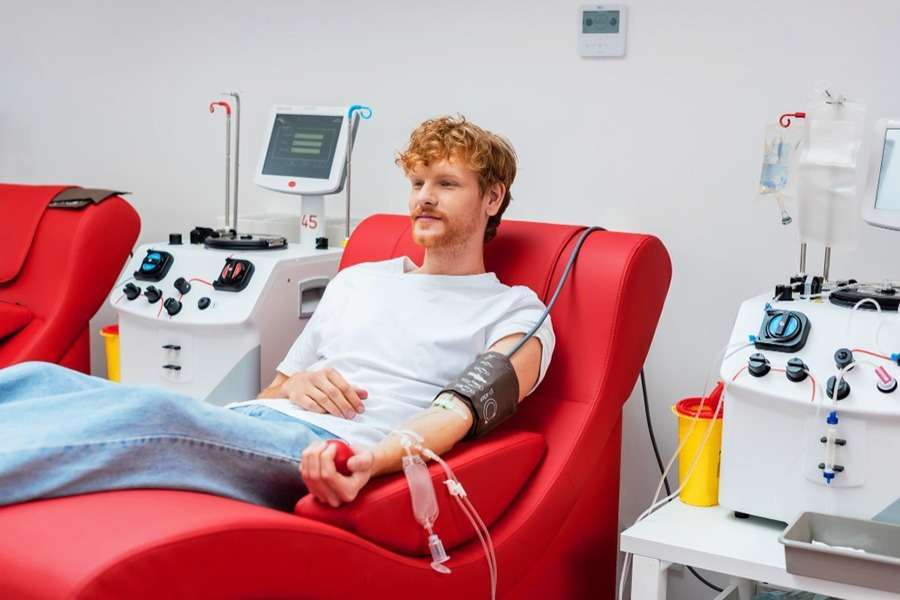
The modern pace of life often forces us to put off taking care of our health until later. But regular health check-ups are one of the most effective ways to prevent the development of chronic diseases, detect problems at an early stage, and maintain activity and well-being. An annual examination helps to assess the condition of all major body systems, adjust your lifestyle, and start treatment in a timely manner, if necessary.
In this article, we will look at what tests you need to do every year to stay healthy and confident in your condition.
Complete blood count and urinalysis
These are basic tests that show the overall condition of the body.
- A complete blood count helps to assess hemoglobin levels, detect anemia, inflammatory processes, or possible infections.
- A biochemical blood test allows you to check the functioning of the liver, kidneys, pancreas, and sugar levels.
- A urine test helps to assess the condition of the urinary system and detect kidney problems in a timely manner.
It is recommended to have these tests done at least once a year, even if you feel well.
Cardiovascular system check
The heart is the engine of our body, and it needs regular attention.
- An ECG (electrocardiogram) allows you to assess the functioning of the heart and detect possible arrhythmias or ischemia.
- Measuring blood pressure helps control the risk of hypertension.
- A lipid profile shows your cholesterol level, which helps prevent atherosclerosis and heart attacks.
It is especially important to monitor your heart health if you are over 35 or have a family history of heart disease.
Digestive system examination
Poor nutrition, stress, and a sedentary lifestyle have a negative impact on the gastrointestinal tract. Every year, it is recommended to undergo:
- An ultrasound of the abdominal organs to check the condition of the liver, gallbladder, pancreas, and spleen.
- Gastroscopy or colonoscopy — as recommended by your doctor, especially if you have frequent abdominal pain or digestive problems.
Regular prevention allows you to avoid serious diseases in their early stages.
Hormonal balance check
The hormonal system affects the functioning of the entire body: weight, sleep, energy, mood, and even immunity.
- Thyroid gland: it is worth checking the levels of TSH, T3, and T4.
- Sugar and insulin: early detection of problems helps prevent diabetes.
- It is important for women to monitor sex hormones, and for men — testosterone.
These tests are especially recommended for people who experience frequent fatigue, sudden weight changes, or sleep problems.
Visits to specialists
In addition to laboratory tests, it is important to visit several doctors every year:
- A therapist for a general assessment of your health.
- Dentist — for the prevention of tooth decay and gum disease.
- Ophthalmologist — vision testing is important even if you have no complaints.
- Dermatologist — to monitor moles and skin condition.
Annual gynecological examinations are recommended for women, and prostate examinations are recommended for men over 40.
Regular check-ups are an investment in your health and longevity. Even if you feel well, annual examinations help identify hidden problems and avoid complications in the future. It is important to choose a check-up program together with your doctor, taking into account your age, lifestyle, and hereditary factors.
Remember: prevention is always more effective and cheaper than treatment. Take care of yourself today to be healthy tomorrow.