




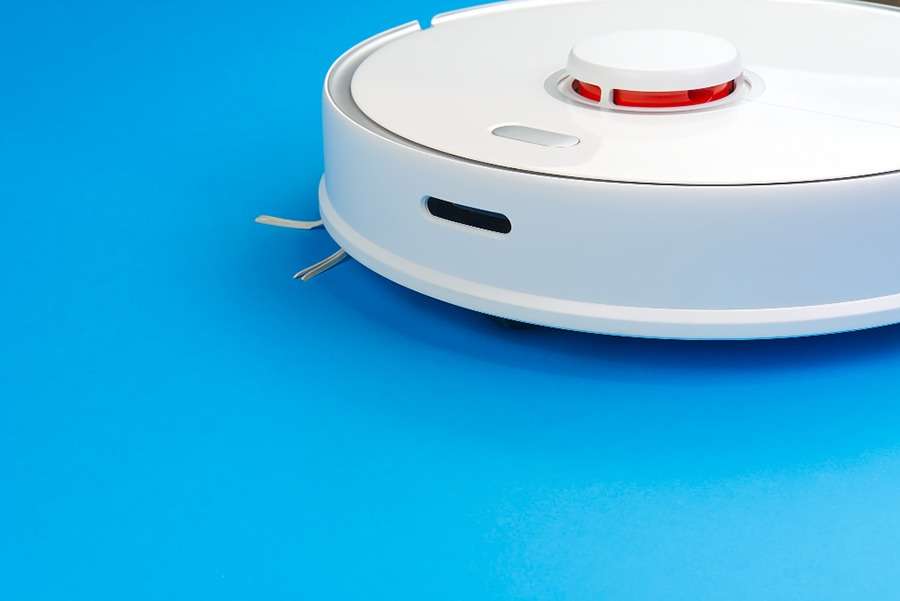
Modern technologies are developing rapidly, and robot assistants have long ceased to be science fiction. They perform a variety of tasks, from cleaning the house and cooking to managing complex production processes. But an important question arises: can robots completely replace humans in everyday life and professional activities? Let’s try to figure out what possibilities are already available today, where technology has its limits, and what to expect in the future.
Robot assistants at home: convenience and automation
Modern “smart” devices are already making people’s lives easier. Among the most popular solutions are
- Robot vacuum cleaners — they automate cleaning using sensors for navigation.
- Kitchen robots — they cook, mix, chop food, and even create full meals.
- Smart voice assistants — control appliances, remind you of tasks, and suggest recipes.
Such devices significantly save time and simplify routine processes. However, they are not yet capable of thinking creatively and making complex decisions that require human intuition.
Robots at work: automation and efficiency
In business and manufacturing, robots perform functions that previously required significant human resources:
- Industrial robots work on assembly lines, assembling cars or electronics.
- Service robots serve customers in hotels, restaurants, and banks.
- Software robots (RPA) automate routine office tasks: data processing, filling out reports, checking documents.
As a result, productivity increases, time and human error are reduced. At the same time, there is a risk of job losses in certain industries, which requires the reorientation of personnel to new professions.
Can robots replace humans?
Despite the rapid development of artificial intelligence, it is not yet possible to completely replace humans. The main reasons are:
- Lack of emotional intelligence — robots are not capable of empathy or understanding the context of situations.
- Limited creative skills — even the most advanced algorithms only analyze data and do not generate fundamentally new ideas.
- The need for human control — complex decisions that affect people’s lives require moral and ethical assessment.
Most likely, robots will not replace humans, but rather complement human capabilities, freeing up time for creative and strategic tasks.
The future of human-robot collaboration
In the coming years, advances in artificial intelligence will enable robots to perform even more tasks, particularly in medicine, education, and everyday life. The main trend is the creation of a symbiosis between humans and technology, where robots perform routine or dangerous tasks, while humans focus on analysis, creativity, and management.
Robotic assistants have already changed our lives and continue to expand their capabilities. They help at home, increase business efficiency, and automate complex processes. But they will not be able to completely replace humans — at least not in the near future. The future lies in the partnership between humans and robots, where each plays to their strengths, creating a new level of comfort and productivity.