



The plank isn’t just some trendy move from Instagram. It’s foundational. It’s core. It’s the backbone of real body training. But despite being such a simple-looking exercise, most people get it wrong. In this article, I—your professional coach—will break down how to do a plank correctly, how to hold a plank properly, how to stay in a plank, and most importantly, how long to hold a plank so it actually works and doesn’t just make your muscles burn for no reason.
Why the plank is more than just an exercise
If you’ve ever tried holding a plank, you know—after 20 seconds it feels like a lifetime. That’s not just in your head. When you do a plank right, your core, back, legs, shoulders, and even your focus get involved. But it only works if you know how to do a plank properly.
Common mistakes that kill results
Before we jump into technique, let’s quickly hit the most common mistakes. If any of these sound familiar—don’t stress. They’re fixable:
- Sagging lower back
- Hips sticking up
- Neck craning forward
- Rounded shoulders
- Holding your breath
These aren’t just bad habits—they kill your results and can lead to neck or back pain. That’s why it’s key to understand how to hold a plank correctly, not just “grit through it.”
How to do a plank correctly: step-by-step
Here’s your clear guide to holding a plank properly, straight from a coach. This technique works for all levels:
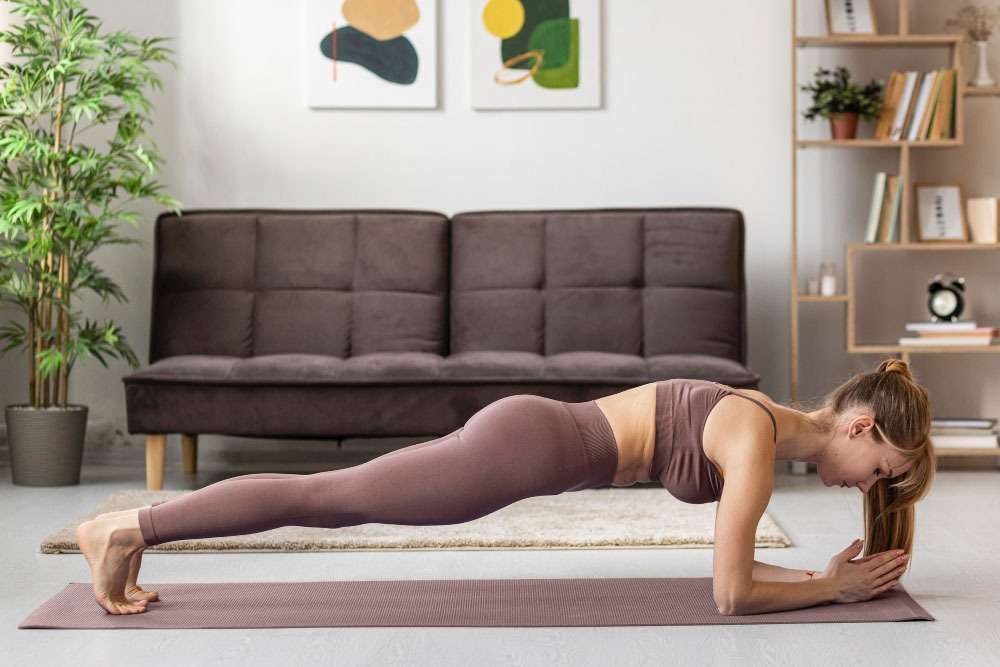
- Body position: Get face-down. Elbows under shoulders, forearms parallel.
- Feet: On your toes, legs straight and engaged.
- Hips: Don’t sag, don’t lift. Keep your body in a straight line.
- Core: Brace it like someone’s about to punch you.
- Lower back: No arching. Draw your lower ribs inward.
- Shoulder blades: Keep them neutral—don’t pinch or flare.
- Neck: In line with your spine. Eyes to the floor, not forward.
This is the gold standard for learning how to stay in a plank without wrecking your back or neck.
How to do a plank and how long should you hold a plank?
Here’s the thing — how long you should hold a plank depends on your fitness level. There’s no magic number. Form comes first. Always.
| Level | Recommended time |
|---|---|
| Beginner | 15–30 seconds |
| Intermediate | 30–60 seconds |
| Advanced | 60–120 seconds |
Key rule: the moment your form starts slipping, stop. It’s better to go 20 seconds with perfect technique than 2 minutes sloppy. Time is secondary to form. That’s the real secret behind how to do a plank correctly.
7 tips for holding a plank the right way (without failing)
- Use a timer — your brain will lie to you
- Play music or count out loud — it distracts from the burn
- Don’t hold your breath — breathe steadily
- Use a mirror — keep an eye on your form
- Use a mat — save your elbows
- Try variations — side plank, high plank, leg lifts
- Focus on form, not ego — short and solid beats long and sloppy
These tips will help you truly understand how to hold a plank correctly and turn it into a powerful tool for full-body strength.
Variations: how to do a plank without getting bored
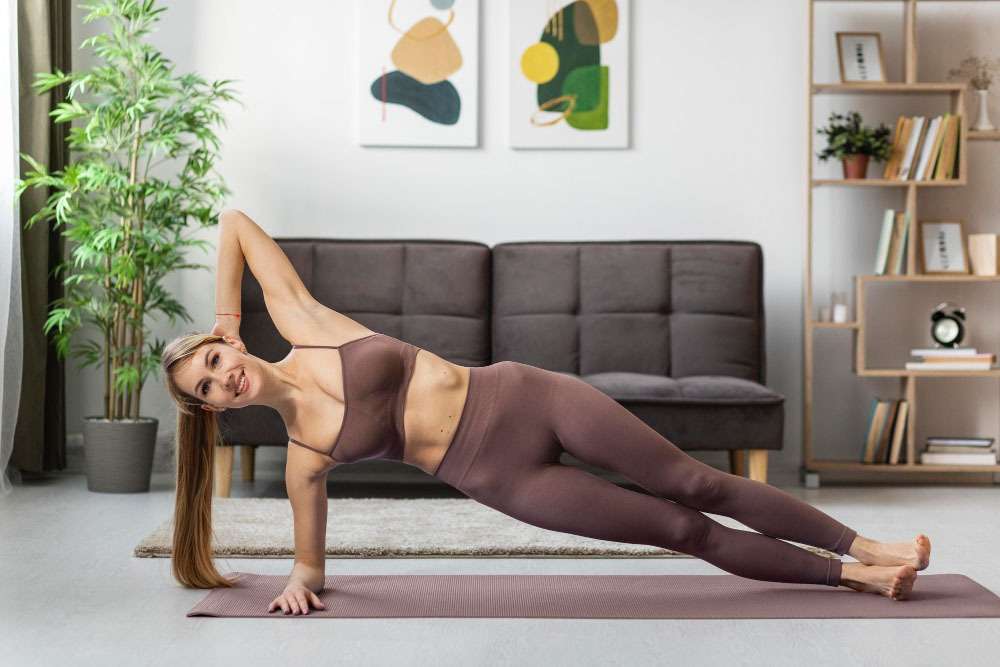
Once you know how to do a plank properly, mix it up with these variations:
- Side plank — hits the obliques
- Plank with leg lift — works your glutes
- Stability ball plank — adds instability
- Dynamic plank — go from elbows to hands and back
Each variation helps you explore new ways of understanding how to stay in a plank while developing strength and control.
How to do a plank: myths you should ignore
Myth 1: “The longer, the better”
Nope. Better to hold 30 seconds perfectly than 3 minutes poorly.
Myth 2: “The plank is only for abs”
Wrong. It works your entire body.
Myth 3: “You should do it every day”
Not true. Muscles need rest. 3–4 times a week is ideal.
Now that you understand how to do a plank correctly, stop falling for TikTok fitness myths. Stick with what actually works.
Proper plank checklist
- Back straight
- Core braced
- Legs engaged
- Shoulders neutral
- Steady breathing
- Neck relaxed
- Time is secondary, form is king
If you’ve got all that checked off, congrats—you now know how to hold a plank properly and are well on your way to building a rock-solid core.
Bottom line: hold it right — win every time
The plank is simple, but powerful. The key isn’t just doing it—it’s knowing how to do a plank correctly. It’s not about chasing seconds, it’s about training your body and focus together.
If you haven’t started yet, today’s a good day. And if you’ve tried it before but didn’t feel much—maybe you just didn’t know how to hold a plank properly. Now you do. All that’s left is action.
Go to the “Sports” section – there are many more useful articles about training there.