




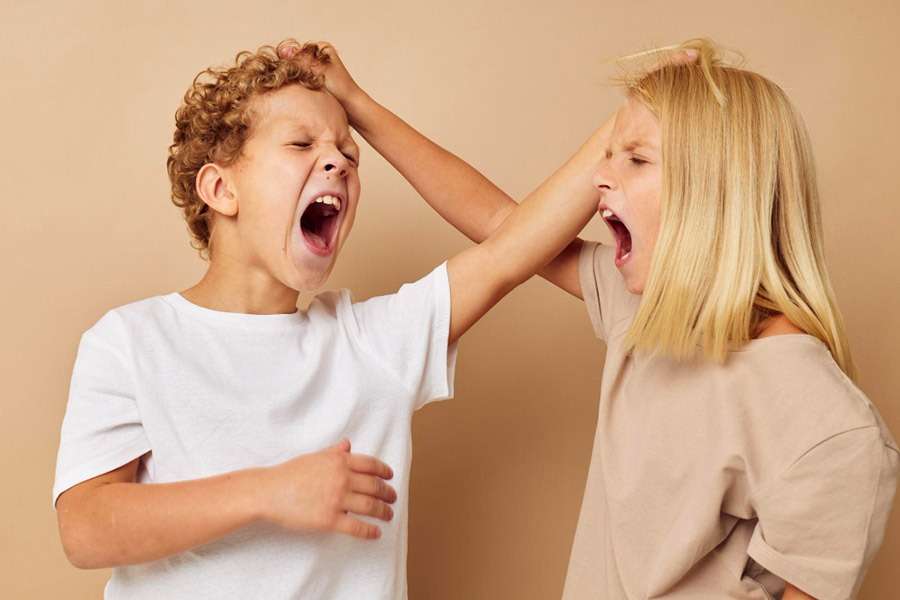
Children’s conflicts are common. But when arguments turn into fights, adults start to worry: is something wrong with the child? In fact, childhood aggression is often part of normal development. The main thing is to respond correctly and understand where these actions come from.
Reasons Why Children Fight
Fighting is not always the result of poor upbringing. There can be many reasons, and often they are quite understandable:
1. Natural exploration of boundaries
Young children are just learning how to interact with others. It’s hard for them to immediately understand where play ends and violence begins. They try different ways to get what they want — with words, tears, and sometimes fists.
2. Struggle for attention
If a child lacks attention from adults at home or at school, they may try to get it in any way — even a negative one. Aggression becomes a way to make themselves seen.
3. Imitating adults and peers
Children copy the behavior they see. If there is a lot of shouting, arguing, or even physical punishment at home, the child may consider it normal. Likewise, fights in movies, games, or among friends become examples to follow.
4. Emotional immaturity
Children do not yet know how to manage their emotions. Anger, jealousy, resentment — these feelings often overwhelm them, and without self-regulation skills, they come out as physical aggression.
5. Competition for resources
Toys, the teacher’s attention, a seat at the table — these are all valuable things in a child’s world. Sometimes, they have to “fight” for them.
What to Do If Children Fight
It’s important not just to stop the fight, but to help the children understand what happened and teach them to act differently. Here is a clear step-by-step guide for parents and teachers:
1. Separate and calm down
First of all — safety. Separate the children and give them time to cool off. There’s no need to ask for explanations right away — in the heat of conflict, they won’t be objective.
2. Find out the reasons
When the children have calmed down, talk to each one individually. Ask what happened, what they felt, and what they were trying to achieve. It’s important not to look for the “guilty one,” but to understand the motives.
3. Teach them to express emotions with words
Explain that anger is normal, but hitting others is not. Show them how to talk about their feelings: “I didn’t like that you took my toy” instead of “I hit him because he’s bad.”
4. Offer an alternative to aggression
Teach the child constructive ways to resolve conflicts: negotiate, share, ask an adult for help. These skills don’t appear on their own — they need to be practiced.
5. Encourage peaceful behavior
Praise the child for trying to resolve conflict with words. Even if it wasn’t perfect — the effort toward non-violent communication is what matters.
When to Be Concerned
Sometimes fights are not just a phase, but a sign the child needs help. Pay attention if:
- The child fights almost every day.
- The aggression is violent (hitting the head, using objects).
- The child feels no guilt or remorse.
- The fights happen without clear cause or conflict.
In such cases, you should consult a child psychologist. Aggression may be masking internal stress, emotional pain, or trauma.
How to Create an Environment With Fewer Fights
Raising children doesn’t start with punishment, but with the right atmosphere. Here’s what you can do regularly:
- Be a role model. Children learn from adults. If you solve problems calmly, without yelling or humiliation — they absorb that.
- Talk about feelings. Discuss what makes you angry, happy, or scared. This helps children become aware of their emotions.
- Use role-playing games. Through play, you can model conflict situations and learn how to resolve them.
- Teach patience and sharing. These skills are the foundation of peaceful interaction.
- Support healthy self-esteem. Confident children fight less — they don’t need to prove their worth through force.
Children’s fights are not a catastrophe, but a signal. They can be part of growing up, a way to express emotions, or a cry for attention. The main thing is not to ignore them, not to punish blindly, and not to label the child. A combination of attention, conversation, and teaching alternative behaviors can turn conflict into a step forward in development.