




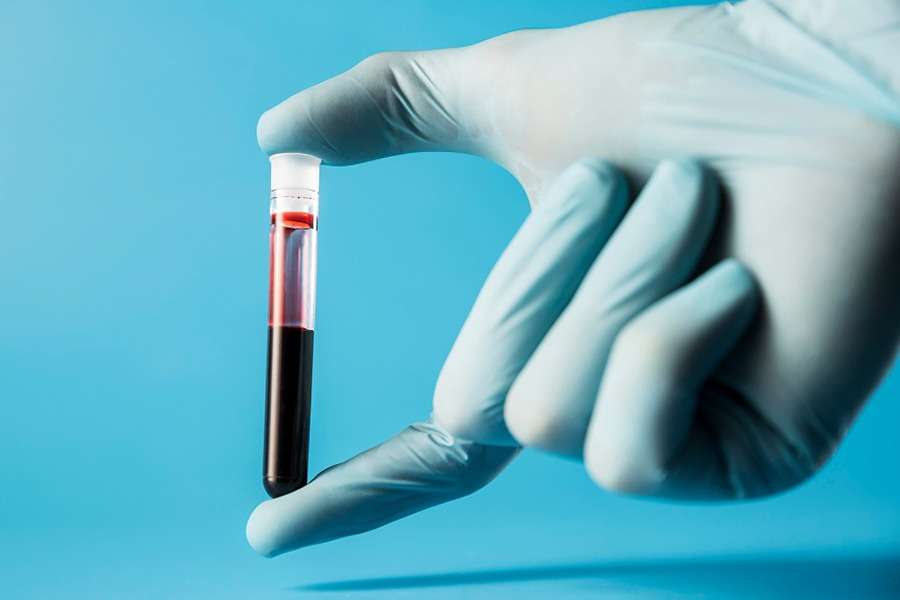
When a doctor orders an examination for iron deficiency, most people expect to see a blood test for iron levels on the form. This indicator is indeed important, but it gives only a superficial understanding of what is happening in the body. To clearly understand whether you have enough iron and how it is distributed, you need to look not only at its concentration in the blood. The main role belongs to ferritin. This is a protein that works as an iron storage. Its level shows real reserves, not the current value which can change under the influence of diet or stress.
Ferritin helps detect iron deficiency at an early stage. It drops long before hemoglobin decreases or anemia appears. This is why ferritin testing has become the gold standard for evaluating iron deficiency.
What Ferritin Shows and Why It Cannot Be Replaced by a Standard Iron Test
Iron levels in the blood change very quickly. They depend on food, time of day, physical activity, and even vitamin intake. If you ate a steak or took an iron supplement the day before the test, the value can be artificially elevated. As a result, the doctor will receive an inaccurate picture.
Ferritin, on the other hand, reflects not current fluctuations but long term iron reserves. It shows how much iron the body has stored. This is more important than knowing how much iron is in the plasma right now.
When ferritin drops, it means the body is already using its strategic reserve. This is the first sign of deficiency even if iron and hemoglobin levels appear normal.
Why Low Ferritin Is Dangerous
Even without anemia, low ferritin causes many unpleasant symptoms. People can spend months visiting doctors with complaints, without suspecting that the problem lies in iron deficiency.
This is why low ferritin is so important:
- Energy and productivity decrease.
- Shortness of breath during exertion appears.
- Problems with concentration arise.
- Hair loss intensifies.
- Nails become brittle.
- Sleep becomes disrupted.
- Headaches become more frequent.
These symptoms are often linked not to anemia but specifically to depleted iron stores.
Why a Standard Iron Test Does Not Give an Accurate Result
A regular iron test shows only the concentration of iron in serum. It does not take into account other important parameters responsible for its transport and storage.
The indicator is easily distorted:
- after a heavy meat meal,
- after taking supplements,
- in cases of inflammation,
- during stress,
- due to daily fluctuations.
Because of this, a doctor may miss early deficiency. A person will feel fatigue, hair loss, or memory decline, while the test will show normal values.
Ferritin as the Main Parameter for Diagnosing Iron Deficiency
To accurately determine whether iron deficiency is present, doctors focus on ferritin levels. Usually the lower limit of normal is 30 ng/ml, but for good well being the optimal level is often higher. It is especially important for women to monitor this indicator due to menstruation and increased iron needs.
An optimal ferritin range allows the body to supply tissues with oxygen, maintain cognitive functions, and work without overload.
Additional Tests That Help Provide a Clearer Picture
Sometimes ferritin is not enough, especially if there is an inflammatory process. In such cases, a doctor may prescribe additional markers. They help avoid mistakes and make an accurate diagnosis.
These include:
- Serum iron.
- TIBC and transferrin saturation.
- Hemoglobin and hematocrit.
- CRP to assess possible inflammation.
Together these indicators provide a more complete picture.
How Often to Check Ferritin
If symptoms of deficiency, chronic fatigue, or hair loss are present, ferritin should be checked every three to six months. When taking iron supplements, monitoring is usually done after 8 to 12 weeks to assess progress.
For prevention many people only need to test ferritin once a year.
Ferritin is more important than a standard iron test because it shows real reserves rather than a one time value. It helps detect deficiency at an early stage, explains many nonspecific symptoms, and allows a doctor to prescribe the right treatment.