




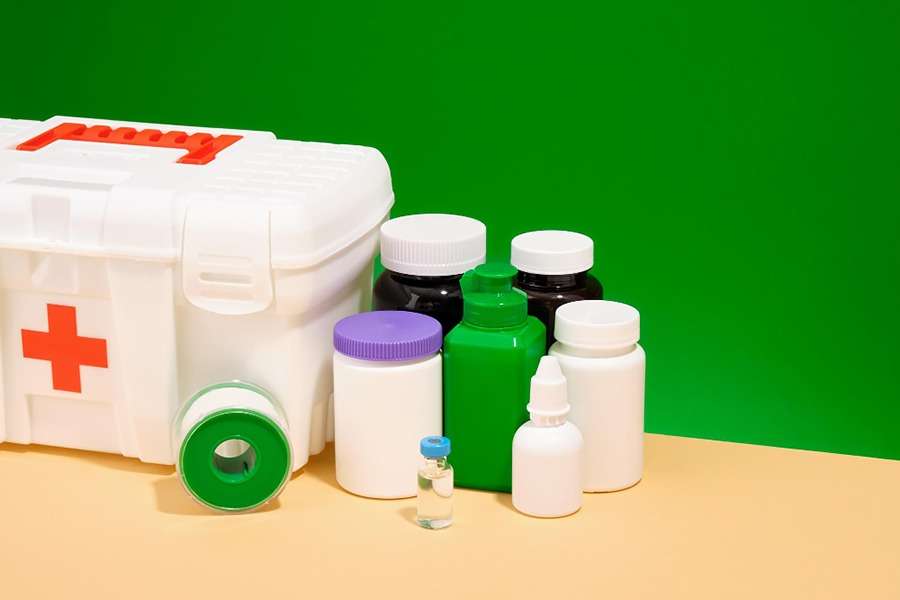
In an emergency, minutes can cost health, and sometimes even life. A home first aid kit is not just a box of pills, but a basic element of safety for the whole family. It should always be within reach, properly stocked, and regularly checked. In this article, we’ll go over what should be in a first aid kit, how to organize everything, and which medications are needed for different generations — from children to the elderly.
Why It’s Important to Have a First Aid Kit at Home
Accidents, sudden weakness, high fever, a cut or burn — in such moments there’s no time for a pharmacy run. A properly assembled first aid kit allows you to quickly provide first aid before the doctor arrives or until it becomes possible to visit a clinic.
Another advantage is saving time and nerves. You don’t have to frantically search for the right remedy when it’s already at hand and you know exactly where it is.
Rules for Storing and Assembling a First Aid Kit
Before making a list, it’s important to understand the storage principles:
- All medications must be in their original packaging with instructions.
- Check expiration dates at least once every six months.
- Store the kit in a dry, dark place out of children’s reach.
- Organize everything by category: pain, wounds, colds, allergies, etc.
Now let’s move on to the list itself.
What Should Be in a Home First Aid Kit: A Universal List
Below is a list of 10 groups of medications and items that should be in every home first aid kit. It’s a universal set suitable for people of all ages, with special notes explained below.
1. Pain Relievers and Fever Reducers
- Paracetamol
- Ibuprofen
- Citramon (for adults)
- Thermometer (preferably electronic)
2. Antiseptics
- Hydrogen peroxide
- Chlorhexidine
- Brilliant green or iodine (in stick form is more convenient)
- Alcohol wipes
3. Bandaging Materials
- Sterile bandages
- Gauze pads
- Adhesive bandages (various sizes)
- Bactericidal bandages
- Rubber medical gloves
4. Cold and Flu Remedies
- Nasal drops (based on xylometazoline)
- Cough medicine (e.g., ambroxol syrup)
- Lozenges for sore throat
- Powdered flu medicine with antipyretic
5. Anti-Allergy Medications
- Cetirizine
- Loratadine
- Cream with antihistamine effect
6. Gastrointestinal Remedies
- Activated charcoal or Enterosgel
- Remedy for heartburn (Almagel, Rennie)
- Remedy for diarrhea (Loperamide)
- Probiotics
7. Cardiovascular
- Validol or mint (as a temporary measure)
- Nitroglycerin (if heart problems are present)
- Blood pressure monitor (especially in homes with elderly people)
8. Remedies for Injuries and Burns
- Panthenol spray
- Remedy for bruises and sprains (diclofenac gel)
- Cold compress (disposable)
9. Eye and Ear Medications
- Eye drops for irritation (artificial tears)
- Ear drops for wax buildup (e.g., Remo-Wax)
10. Additional Tools
- Scissors
- Tweezers
- Thermometer
- Medical card with emergency contacts, allergies, and chronic conditions
Features of a First Aid Kit for Different Age Groups
The contents of the kit may vary depending on the age and health condition of family members.
Children
- Only “children’s” medications with correct dosage
- Fever reducers in syrup or suppository form
- Nozzles and measuring spoons
Adults
- More focus on painkillers and cold remedies
- Possible medications for stress and anxiety
Elderly People
- Blood pressure and heart medications
- Blood thinner (as prescribed by a doctor)
- Additional vitamins and supplements
- Pill organizers for planning doses
Common Mistakes When Assembling a First Aid Kit
- Storing expired medications. They are not only ineffective but can be dangerous.
- Lack of instructions. Even familiar medication may raise doubts if rarely used.
- Improper storage. The bathroom is the worst place: heat and moisture destroy medications.
- Missing list of allergies and chronic illnesses. Especially important when living with elderly relatives.
A First Aid Kit Is Not a Formality
A well-assembled first aid kit is a guarantee that in a critical situation you won’t panic. It should be kept not only at home but also at the cottage, in the car, or in the office. Periodically check the contents, update it, throw away expired items. Make caring for your health a simple and systematic habit.