



Creativity stopped being only a form of self expression long ago. It has become an important tool of psychological support that helps people reduce anxiety and regain a sense of control over their lives. Scientific studies confirm that creative activity affects brain function, lowers physiological tension, and helps people respond to stress more steadily.
Below we will break down why this happens and which forms of creativity work best.
Creativity as a natural stress regulator
When a person engages in creative activity, the areas of the brain associated with pleasure and concentration become active. Scientists note that at this moment the activity of the regions responsible for intrusive thoughts and anxious reactions decreases.
A simple example. When a person draws or writes, attention shifts to the process. The body stops sending anxiety signals, breathing becomes even, and the muscles relax. In fact, creativity activates the mechanism of natural self regulation.
In addition, even a short creative session can stimulate the production of dopamine. This improves mood and reduces the sense of internal chaos that so often accompanies anxiety.
What modern research says
Psychologists from universities in the United States, Europe, and Asia have been paying a lot of attention to the connection between creativity and mental well being over the past years. Several consistent findings appear in the research.
- First. Just 20–30 minutes of creative work reduce cortisol levels in most participants. This applies to artistic activity as well as writing or music.
- Second. Creative activity helps a person make sense of emotions. According to research data, people who regularly engage in creativity better catch subtle signals of their body and notice the beginning of an anxious wave faster.
- Third. Creativity strengthens the sense of self efficacy. When a person creates something with their own hands, even something simple, they gain a sense of influence over what is happening. For an anxious state this is especially important.
Which types of creativity work the most effectively
Almost any creativity can improve emotional well being, but some forms are especially effective.
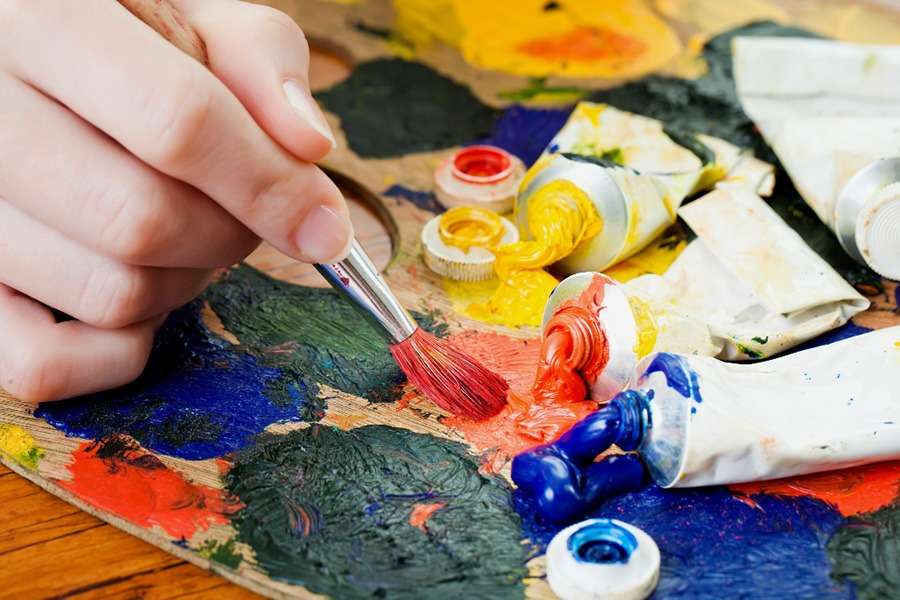
- Art therapy. Drawing, working with paints and pastels helps express emotions without words. This reduces internal pressure and gives an outlet to accumulated tension.
- Music. Playing an instrument or even listening to music followed by reflecting on sensations noticeably reduces anxiety symptoms.
- Writing. Keeping a journal, free writing, or working with a creative text helps organize thoughts and reduce emotional overload.
- Handicrafts. Knitting, sculpting, sewing and other repetitive actions work almost like meditation. They help the brain switch to a calm, steady rhythm.
Why creativity works gently but reliably
The main strength of creativity is that it gives a safe zone. A person can make mistakes, try, change direction without feeling pressure. This creates a psychological space where anxiety gradually loses intensity.
Creativity also develops flexible thinking. Research results show that people who regularly engage in creative practices adapt to uncertainty more easily. The less fear of the unknown, the lower the level of anxiety.
How to build creativity into life
To make creativity beneficial, you do not need to be a professional. You only need to make it part of your usual routine. Start with 10–15 minutes a day. Choose an activity that feels pleasant, not the one that seems correct. Create a small corner where you will practice creativity.
Over time it will become a ritual that calms, stabilizes, and helps you see the events of the day more clearly.
Creativity does not replace professional help, but it becomes a powerful resource for those who want to live more calmly and confidently.