




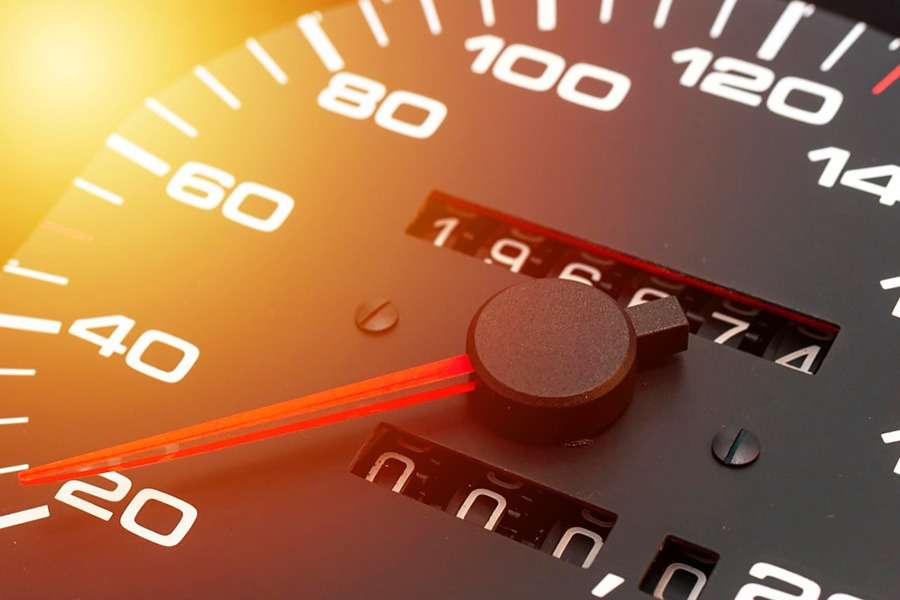
Buying a used car always comes with risk. One of the most common types of fraud is rolled-back mileage. Reducing the number of kilometers on the odometer makes the car seem “younger” in the eyes of the buyer, and therefore — more expensive. A skilled seller can hide signs of wear, polish the body, and even replace interior parts. But there are technical signs that almost no one checks, and they can reveal the real mileage.
Why Mileage Is Rolled Back and How Often It Happens
Rolling back mileage is a way to increase a car’s price without actually improving its condition. This is especially common with cars that were leased or used as taxis — they rack up huge mileage quickly. The lower the mileage, the higher the chance of a quick sale.
According to unofficial estimates, up to 50% of cars on the secondary market have falsified mileage. Sometimes only 30–40 thousand km are removed, and sometimes the number is halved.
Why You Should Look Beyond the Odometer
The numbers on the dashboard don’t guarantee honesty. A genuine odometer can easily be reprogrammed in a few hours. The real condition of the car is read between the lines — in its mechanics, electronics, and how systems behave. Below is a list of signs that are rarely checked but can tell the truth.
7 Technical Signs of Rolled-Back Mileage That Are Rarely Checked
1. Condition of Brake Discs and Pads
Brake discs are designed to last 60–80 thousand km. If they’re badly worn while the odometer shows, say, 40 thousand — that’s a red flag. Also check the rear brake mechanisms: they wear less, but there should still be some wear.
2. Wear on the Steering System
Play in the steering wheel, knocking in the steering rack, tight or overly loose steering while driving — signs that the car’s real mileage is much higher than stated. The steering rack rarely needs work before 100,000 km.
3. Looseness in the Suspension
Stabilizer links, bushings, and ball joints begin to wear out closer to 80–100 thousand km. If the suspension already feels loose and the odometer claims 50 thousand — that’s suspicious.
4. Condition of Belts and Rollers
The alternator, AC, and timing belts — as well as their rollers — lose elasticity over time and start making distinct noises. If the rollers have already been replaced despite “low” mileage — strange. Why replace them on a nearly new car?
5. Wear on Pedals and Floor Mats
Sellers often replace seat covers and steering wheel wraps, but forget about the pedals and mats. Worn rubber on the brake or clutch pedal, or a heel mark pressed into the floor mat, indicates tens of thousands of kilometers already driven.
6. Dirt in Hard-to-Reach Places
A car wash can make the body shine, but few bother cleaning under plastic trim, inside the wheel arches, behind the headlights, or beneath the battery. Sand and chemical residue in those areas show long-term use.
7. Behavior of Automatic Transmission or CVT
An automatic transmission begins to “hesitate,” or shift with jolts and jerks after 120–150 thousand km. If the transmission is already showing such symptoms but the mileage is a “silly” 70 thousand — be wary.
How to Properly Inspect a Car
To protect yourself as much as possible from mileage fraud, use a thorough approach:
- Check the car’s history by VIN — some databases show recorded mileage from maintenance or insurance claims.
- Assess the condition of all interior and body parts — not just the wheel and seats, but also the windows, handles, switches.
- Run a computer diagnostics check — some modules (like ABS) store data on actual mileage.
- Visit a service center to inspect the car’s systems — suspension, steering, brakes can tell you a lot.
- Compare with similar cars — behavior, noises, and ride smoothness can differ based on wear.
- Ask the seller direct questions — about the service book, last maintenance, consumables. Compare the answers with what you see.
- Check the documents — if the service book is “fully filled out” but looks brand new, that’s suspicious.
Consequences of Buying a Car with Higher Real Mileage Than Stated
Even if the car looks decent on the outside, worn components can mean:
- expensive repairs coming soon (e.g. gearbox or timing system);
- problems passing technical inspection;
- reduced resale value;
- no warranty from the manufacturer or dealer.
Buying a car is always a compromise. But when you know what to look for, your chances of buying an honest vehicle rise significantly.