




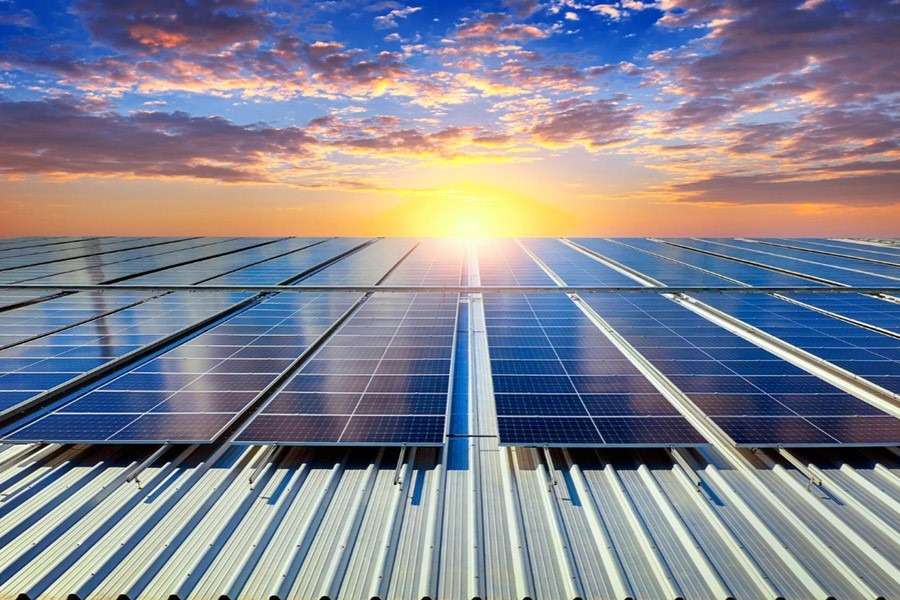
The modern world is rapidly moving towards renewable energy, and solar panels remain one of the most important sources of clean energy. Demand for them is growing, and with it, technology is advancing. New generation solar panels are not only becoming more efficient, but are also changing perceptions about the possibilities of using solar energy in everyday life, industry, and even transportation.
New generation solar panels: what has changed
Modern solar panels are significantly different from those that were available a few years ago. Engineers are working to improve their performance, durability, and versatility.
Key innovations:
- Higher efficiency — the latest models are capable of converting up to 25-30% of sunlight into electricity.
- Thin-film technology — thanks to this, the panels are lighter, more flexible, and easier to install on different surfaces.
- Weather resistance — modern batteries can withstand extreme temperatures, rain, and hail, making them versatile for any climate.
Using solar energy in everyday life
New solar batteries provide homes and apartments with a stable and economical source of energy. They can be used for:
- full or partial power supply for the home;
- heating and hot water supply;
- charging electric vehicles;
- creating autonomous power systems in remote areas.
Thanks to the reduction in the cost of equipment, solar energy is becoming available to more and more people, and savings on electricity bills can reach up to 70%.
Solar panels in industry and transport
Not only the domestic sector, but also industry is actively introducing the latest solar technologies. Companies are installing solar farms to power factories, warehouses, and offices. Solar energy is also increasingly being used in transportation:
- solar panels on electric cars extend their range;
- trains and buses in some countries are partially powered by solar energy;
- ships with panels are being developed to reduce fuel consumption.
The future of solar technology
Scientists are working to create even more efficient materials that can absorb more sunlight and generate energy even on cloudy days. Promising developments include:
- perovskite batteries — lighter, cheaper, and more efficient than silicon batteries;
- transparent panels — allow solar cells to be installed in house windows;
- energy storage systems — a combination of solar batteries with modern accumulators for a stable energy supply.
New generation solar batteries are more than just a trend. They are the path to energy independence, resource conservation, and environmental protection. They open up new opportunities for households, businesses, and transportation, making solar energy more accessible and efficient than ever before. The future belongs to renewable technologies, and solar panels play a key role in this process.