




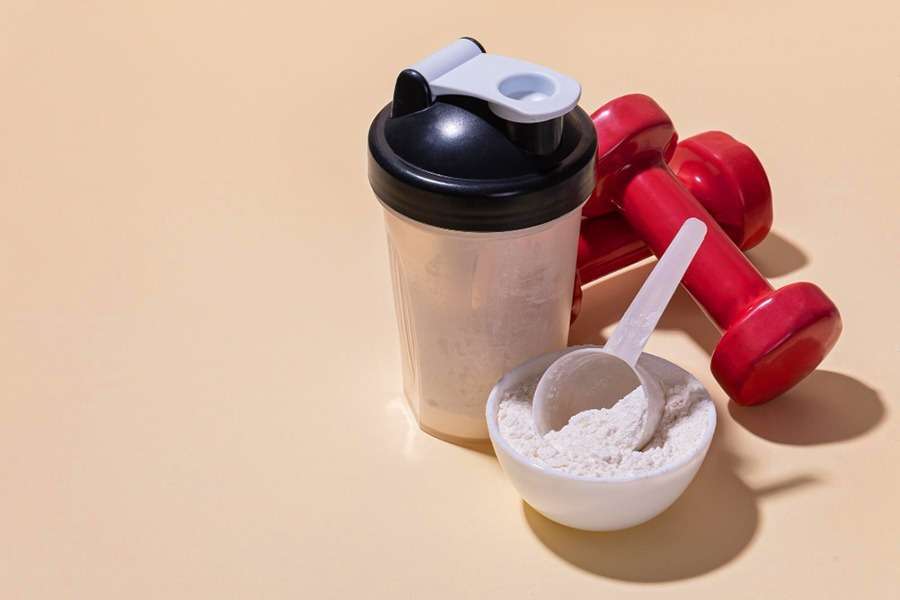
When it comes to building muscle mass, most athletes and people who exercise actively ask themselves: how much protein should I consume every day? There are many controversies and myths surrounding this issue. Some say that the more protein, the better, while others are convinced that a minimal amount is sufficient. In this article, we will debunk the main protein myths, provide scientifically proven facts, and help you understand how much protein you really need for muscle growth.
Myth 1. The more protein, the faster your muscles grow
Many people believe that to effectively build muscle, you need to consume huge amounts of protein — sometimes up to 3–4 grams per kilogram of body weight. However, scientific studies show that excess protein does not accelerate muscle growth.
The recommended intake for people who do strength training is 1.6–2.2 grams of protein per kilogram of body weight per day. For example, a person weighing 70 kg needs about 120–150 grams of protein per day. Excessive consumption not only fails to produce additional results, but can also put unnecessary strain on the kidneys and digestive system.
Myth 2. Protein is only necessary for athletes
Another common myth is that protein is only important for those who go to the gym. In fact, protein is necessary for everyone because it is responsible for:
- cell and tissue repair;
- hormone and enzyme production;
- maintaining healthy skin, hair, and nails;
- stable immune system function.
However, people who exercise actively do need more protein than those who lead a sedentary lifestyle. Therefore, it is important to focus on your level of physical activity and your goals.
Myth 3. Protein supplements are a must
The modern sports nutrition market offers a wide selection of protein powders and shakes, and many people think that they are indispensable. In fact, it is preferable to get most of your protein from regular foods:
- meat, poultry, fish;
- eggs;
- dairy products;
- legumes and nuts.
Protein supplements are just a convenient way to replenish your daily intake, especially when you don’t have time for a full meal. But they are not essential and are no more effective than natural sources of protein.
Myth 4. It is important to eat protein immediately after training
There is a belief that if you do not drink a protein shake within 30 minutes after training, the effect of the workout will be reduced. In fact, the so-called “anabolic window” is much wider than previously thought.
Studies show that the distribution of protein throughout the day is more important than the specific time of its intake. It is optimal to consume protein evenly — at every meal — so that the body receives amino acids throughout the day.
Protein is a key building block for the body, but excess protein does not provide additional benefits in muscle gain. Focus on scientifically based norms: 1.6–2.2 g of protein per kilogram of body weight for those who exercise actively. Eat a balanced diet, get most of your protein from natural foods, and use supplements only as a backup.
The right approach to nutrition will help you achieve your athletic goals more effectively and maintain a high level of health.