



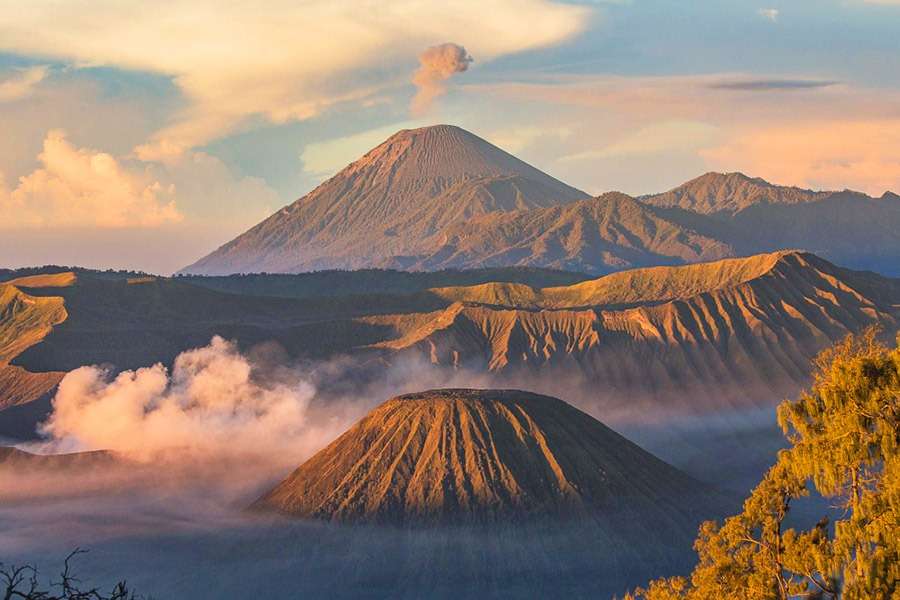
Traveling to active volcanoes draws people in with a special atmosphere. People are attracted by the power of nature, the chance to see glowing lava, and the feeling of the planet breathing almost up close. But this type of tourism requires a thoughtful approach. It is important to know in advance which routes are considered safe, how to prepare, and what to avoid. The right strategy makes the trip not only vivid but also calm.
Where to find safe places for observation
In many countries there are areas where volcanoes are actively studied and regularly monitored. In such locations the routes are planned by professionals, and tourists are accompanied by guides who know the behavior of a specific volcano, its features, and signs of possible activity. Iceland is an excellent example of minimal risk, with open trails near recently erupted volcanoes. In Hawaii there are official viewing platforms from which lava flows can be observed safely. In Italy, on Etna, there is a network of verified routes where tourists move accompanied by specialists.
The main rule is simple: if the area is officially equipped for visits, the risk is controlled. If a tourist decides to go beyond the marked trails, the danger increases many times over.
How to prepare for the route
Before the trip you need to study the current state of the volcano. Even if the route is tourist friendly, access is sometimes restricted due to increased activity. It is better to check the information with local services, at a tourist center, or with licensed guides. In addition, it is important to consider weather conditions. Rain or strong wind can make moving on rocky slopes more difficult.
Equipment also plays an important role. Footwear should be sturdy and non slip. Clothing should be layered, and the backpack light. It is better to have a supply of water, gloves, a flashlight, and a small first aid kit.
What tourists need to remember
Below is a list of key rules that help preserve health and make the journey comfortable.
- Walk only on official routes. They are designed to keep tourists at a safe distance from cracks, gas emissions, and possible collapses.
- Follow announcements from local services. If the danger level rises, access to the area may be closed, and this is always done for safety.
- Take a mask or buff with you. On some volcanoes there may be a sulfur smell, and in certain places a light gas mist may appear.
- Do not approach the edges of craters. Even if the surface seems solid, there may be cavities underneath.
- Stay with the group and listen to the guide. The guide knows where you can stop and take photos and where you should move faster.
- Respect nature. Do not touch hot stones and do not take pieces of lava. They can retain heat much longer than it seems.
- Plan your time. Volcanic trails are often long, and it is important to return before dark.
Volcanic tourism gives emotions that are hard to compare with anything else. Lava, steam, hissing underfoot, and the feeling of nature’s power make such trips truly memorable. At the same time, safety should always be the main focus. If you choose a verified route, listen to specialists, and respect natural conditions, the trip will be rich, calm, and pleasantly human.