
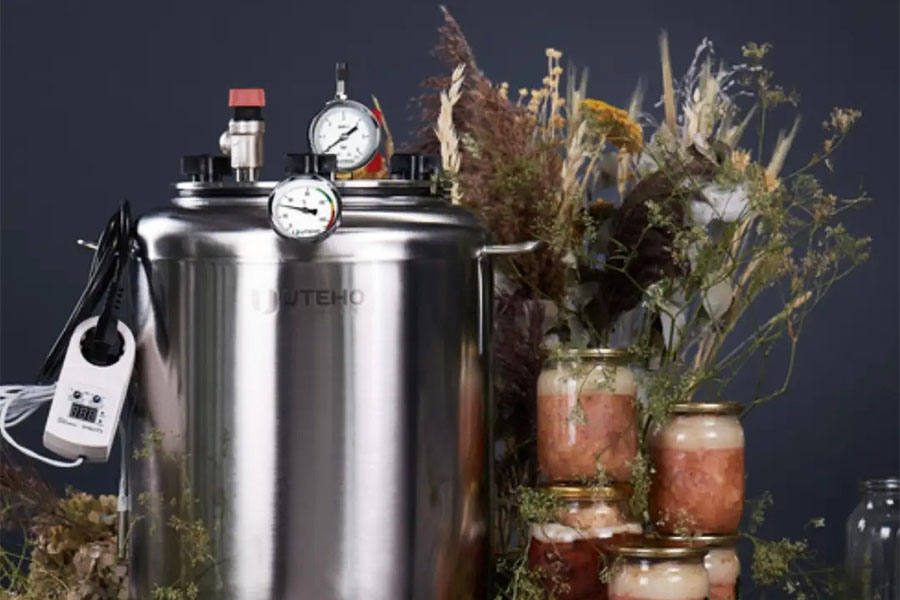
If you have an autoclave — congratulations, you are one step closer to homemade delicacies that can be stored for years and save you at any moment. This device is not just a “jar machine” but a real home mini–canning factory. But if you think that an autoclave is only for cooking stew — you underestimate its capabilities. Let’s figure out what you can cook in an autoclave to use it to the fullest.
Why do you need an autoclave at all?
An autoclave is an airtight container in which products are sterilized under pressure and high temperature. Thanks to this:
- the flavor and texture of the dish are preserved;
- all bacteria are destroyed (including dangerous botulism);
- preserves can be stored for years without a refrigerator.
What you can cook in an autoclave: categories of dishes
| Category | Examples of dishes | Shelf life |
|---|---|---|
| Meat | Beef, pork, chicken stew | up to 3 years |
| Fish | Saury in oil, sprats, anchovy-type fish in tomato sauce | 1–2 years |
| Vegetables | Lecho, stew, beans with carrots | 1–2 years |
| Ready-made meals | Cabbage soup, borscht, pilaf, porridge with meat | 1–1.5 years |
| Pâtés and preserves | Liver pâté, meat rolls | up to 1 year |
| Baby food | Vegetable purees, small soups | 6–12 months |
Stew — the classic of autoclaves
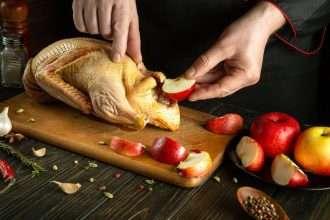
The most popular thing cooked in an autoclave is meat stew. Why? Because:
- It stores for a long time
- It helps out on trips, at the summer house, or on business travel
- It’s easy to make: meat + spices + a jar
Ideas for stew:
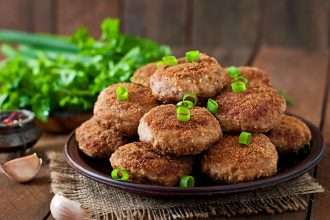
- Homemade-style beef: just meat, salt, bay leaf
- Pork with garlic: tender and aromatic
- Chicken with gelatin: convenient for salads and sandwiches
Fish preserves at home — it’s real
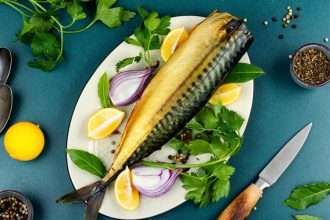
Yes, you can make analogues of saury, mackerel, and sprats right in your kitchen. The main thing is to follow the proportions and sterilization modes.
Examples:
- Saury in oil with onion
- Small fish in tomato sauce
- Sprats in smoked oil (with “liquid smoke” flavoring)
Ready-made meals “for a rainy day”
Soups, porridges, pilaf — all this can be sealed in jars and sterilized in an autoclave. You get “canned food” but tasty, without chemicals or preservatives.
TOP-5 ready-made meals for an autoclave:
- Borscht with meat
- Cabbage soup with cabbage and potatoes
- Pearl barley with beef
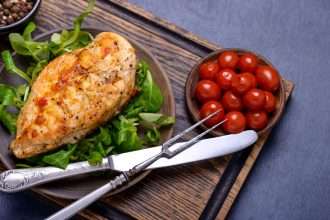
- Buckwheat with chicken
- Rice with vegetables and pork
A great option for a hike, expedition, or just when you don’t feel like cooking.
Vegetable preserves — not only pickles
An autoclave can handle vegetables too. The main thing is not to overdo the acidity and to maintain sterility.
What you can make:
- Lecho with bell pepper
- Vegetable stew with eggplants
- Tomato puree
- Beans in sauce
You can combine them with meat — you’ll get a full ready-to-eat garnish-preserve.
Pâtés, rolls, aspic
If you want something more refined — try meat or liver pâtés. Yes, you can make them in an autoclave as well.
Options:
- Chicken pâté with butter
- Liver pâté with carrots and onions
- Meat roll in jelly
Such preserves are great for a festive table or for sandwiches on the road.
Baby food — only you know what’s inside
Young parents increasingly use autoclaves to make safe, reliable baby food: vegetable and meat purees without salt, sugar, or preservatives.
Tips:
- Use jars up to 200 ml in volume
- Do not add spices
- Cook in small batches
Tips for working with an autoclave
To make everything turn out right:
- Use only fresh products
- Prepare jars thoroughly: wash, sterilize, check for cracks
- Fill jars by 2/3 so the food doesn’t push off the lid
- Monitor temperature and sterilization time according to the autoclave table
- Yes, it’s better to use a thermometer and a timer — guessing doesn’t work here
Why an autoclave is great
- Time-saving — cook once, eat for months
- Safety — kills bacteria 100%
- Variety — from stew to pilaf
- No need for a refrigerator — ideal for a summer house, travel, and emergency kits
So, what can you cook in an autoclave?
Everything you would want to save “for later”: meat, fish, soups, porridges, vegetables, even baby food. The main thing is to approach the process wisely, follow sterilization rules, and not be lazy in preparation.
With an autoclave، you’re not just sealing jars — you’re creating your own “reserve of delicious life”.